Religious Trauma and Cults (RTC)
Religious Trauma and Cults (RTC) is a space for anyone affected by religious trauma, cults and coercive control; with a practitioner directory specifically for Australia and New Zealand.
Elise Heerde and I co-founded it to bring everything together in one place. You can find a practitioner who has personal and professional experience of this kind of harm, join a peer support group, come along to an online event, or train with us if you’re a practitioner yourself.
Whether the group you left was a church, a wellness community or something else entirely, and whether you left last week or twenty years ago, RTC is for you.
No Group Is Exempt
·
No Survivor Is Excluded
·
No Group Is Exempt · No Survivor Is Excluded ·
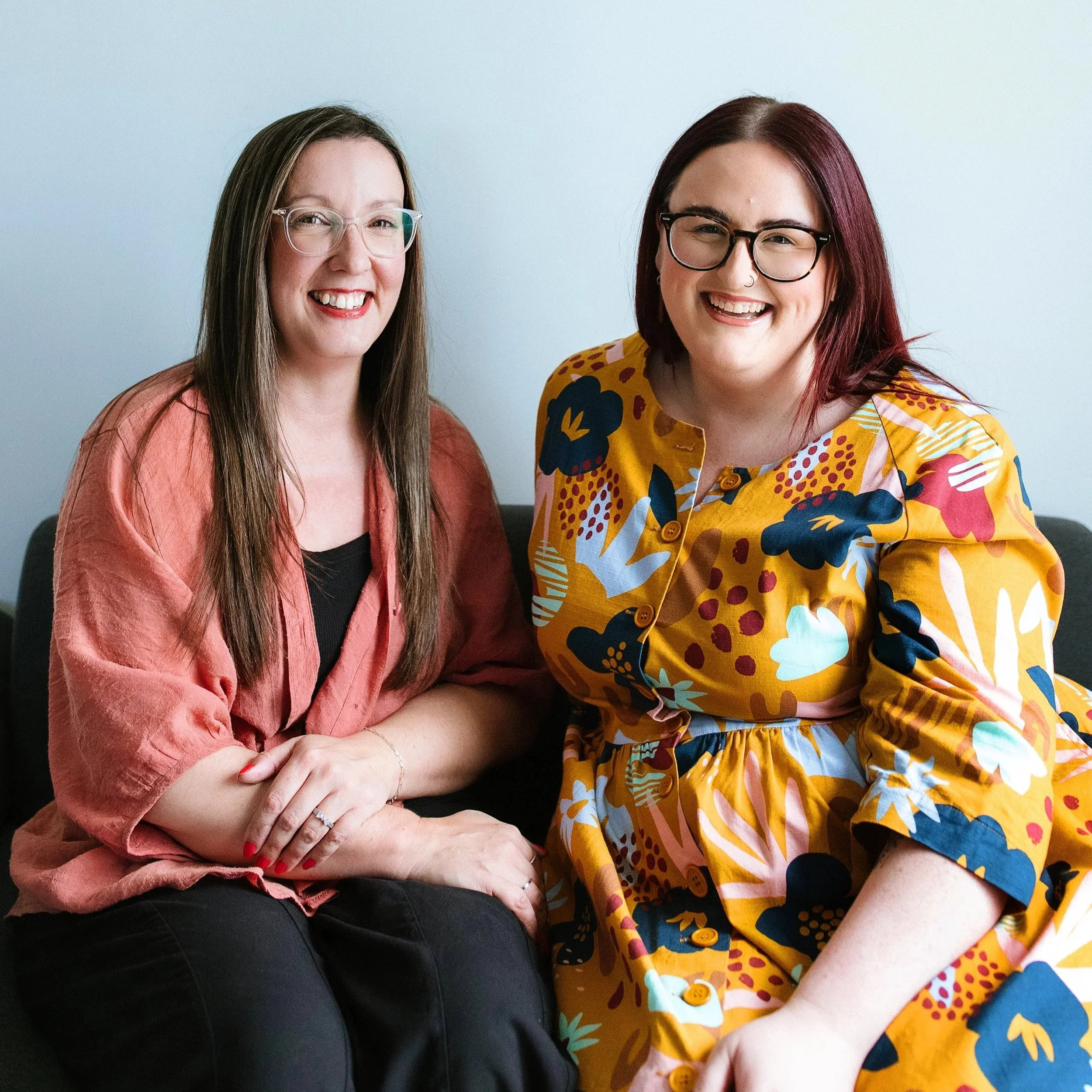
Meet the founders
Sam Sellers and Elise Heerde
We’re Sam and Elise, and we started RTC because we both know what it’s like to leave.
Sam is a counsellor and was shunned by her community and rejected by people she considered family after she started questioning the faith she was raised in. Elise is a mental health practitioner who spent years in a high-control charismatic evangelical church and wrote Holy Hell: Saved So Hard She Needed Therapy and After the Exit: The Long Tail of Coercive Control about what recovery really looks like.
Outside work, we both build LEGO when our brains need a break, watching musical theatre, reality TV and cult documentaries. Both are happiest on the couch with a coffee, a blanket and a book, or rewatching Friends and Gilmore Girls for the hundredth time.
Why we started RTC
When I left a high-control faith community, I lost my community, my sense of certainty and a big part of who I was. Then I went looking for help and found how few practitioners in Australia understood religious trauma. Plenty had read about it. Very few understood what it’s like to live through it.
Elise and I started RTC so the next person wouldn’t have to look as hard as we did. We wanted one place to find practitioners who get it, connect with others who’ve been there, and learn more about what happened to you.
Why the new name?
RTC started as The Religious Trauma Collective. Over time it became clear that the same patterns show up well beyond churches: in wellness communities, political groups, multi-level marketing and other high-control groups. We changed the name to Religious Trauma and Cults so everyone affected by those groups knows they belong here too.
Who RTC is for
Survivors.
Whether you’re still in and questioning, recently out or years into recovery, you’ll find practitioners, peer support and people who understand.
Loved ones.
Family and friends of people still inside a group, or recovering from one, can find information and support here too.
Practitioners.
Therapists, counsellors, psychologists, social workers and coaches can join the directory, train with us and connect with others doing this work.
Practitioner directory.
Find practitioners across Australia and New Zealand with both personal and professional experience of religious and cultic harm.
Support groups.
Facilitated peer support groups where you can talk with people who’ve been through something similar.
Online events.
Regular online coversations plus an annual event, with practitioners, researchers and survivors sharing what they know.
Training.
The RTC Cult Recovery Practitioner Training, Lunch and Learn sessions and Group Supervision for professionals who want to do this work well.
Resources.
Articles, books, podcasts and links for survivors, loved ones and practitioners.
Speaking and consulting.
Elise and I speak, consult and contribute to media and policy discussions on religious trauma, cults and coercive control.
What RTC offers

Cult Recovery Practitioner Training
Most counselling, psychology and mental heath training doesn’t cover religious trauma or cults at all. Then a client tells you they’ve just left a group that controlled what they ate, who they married and whether they could see a doctor, and you’re working it out as you go. Elise and I wrote the Cult Recovery Practitioner Training to fill that gap. It draws on current research, our years of clinical work and our own lived experience.
At a glance
21 recorded sessions, 39+ hours
Survivor contribution videos
A case scenario and downloadable pdf for every session
20+ tools to take directly into your practice
Certificate on completion
Live integration sessions with Sam and Elise, six times a year, recorded